Intelligent Hydraulic Control
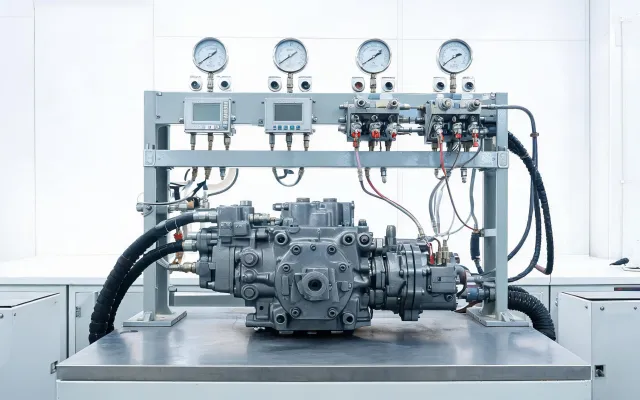
Pilot pressure stability under simultaneous boom, arm and slew demand — holding breakout force when the bucket edge hits fractured rock.
LiuGong technology stacks closed-center load-sensing hydraulics, ISO 15143-3 telematics and hybrid excavator powertrains so contractors move more cubic meters with fewer unplanned stops.
We commit to shipping excavators and loaders whose hydraulic response, remote diagnostics and energy mix are measurable on your dig cycle — not locked inside a marketing slide.
Pilot pressure stability under simultaneous boom, arm and slew demand — holding breakout force when the bucket edge hits fractured rock.
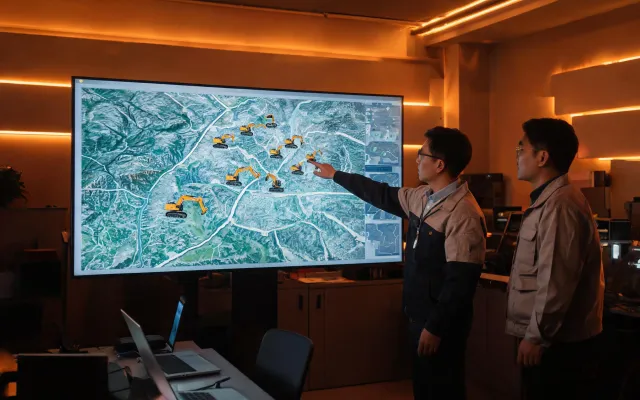
AEMP feeds, hydraulic ISO cleanliness trends and undercarriage wear forecasts streamed to fleet offices before a shoe fails on the haul road.
Regenerative slew braking and hybrid assist packages that cut fuel burn per cubic meter on long dig-and-swing cycles.
Hydraulic system pressure (bar/psi), slewing speed (rpm) and digging depth (m/ft) are the variables equipment managers actually put in tender sheets. LiuGong intelligent control maps those variables to pump displacement and valve timing so dig cycles stay consistent when ambient temperature and oil viscosity change across a shift.
Remote IoT monitoring is useless if the alert arrives after the final drive is already toast. Our stack correlates hours, ground pressure history and particle counts so FSEs leave the hub with the right kit — not a generic toolbox and a hope.
Hybrid power is rolled out where regenerative slew energy is real: deep dig pits with long swing arcs. Sites that idle more than they dig get a different recommendation — telematics-led idle shutdown and Tier 4 Final diesel — because the wrong energy mix wastes capital.
Procurement teams weighing undercarriage type should treat the choice as a duty-cycle trade-off, not a brand preference. Both platforms remain valid when matched to terrain, transport logistics and dig depth.
Lower ground pressure (typically 35–55 kPa on 20–40 t class machines) keeps the platform stable on soft quarry floors and deep cut faces. Breakout force and digging depth stay usable when the machine sits on spoil that would bog a wheeled unit. Trade-off: road transfers usually need a lowboy; shoe and sprocket wear accelerates on abrasive haul roads.
Self-propelled road travel cuts float-truck cost on urban drainage and shoulder packages with frequent site hops. Side-shift trenches and tire flotation help finished pavement protection. Trade-off: higher ground pressure and less stability on soft berms; wheeled units are the wrong primary iron for continuous mass excavation in wet clay.
LiuGong application engineers map both options against soil CBR, daily transfer kilometers and attachment duty before locking a class mix — neither undercarriage is universally preferred.
Intelligent hydraulics and hybrid slew packages do not erase site physics. These limits belong in the tender file alongside the load chart.
| Spec | 30 t crawler class | Unit |
|---|---|---|
| Operating weight | 29,800–32,500 | kg |
| Bucket capacity | 1.2–1.6 | m³ |
| Digging depth | 6,500–7,100 | mm |
| Engine power | 159–173 | kW |
| Hydraulic system pressure | 320–350 | bar |
| Breakout force | 142–168 | kN |
| Ground pressure | 42–52 | kPa |
Bring your dig-cycle profile, emissions targets and fleet serials — we will walk hydraulic, IoT and hybrid options with measured KPIs.