How to Buy a Liugong Excavator: Mini Excavator Price, Distributor Selection and Backhoe Loader Compliance
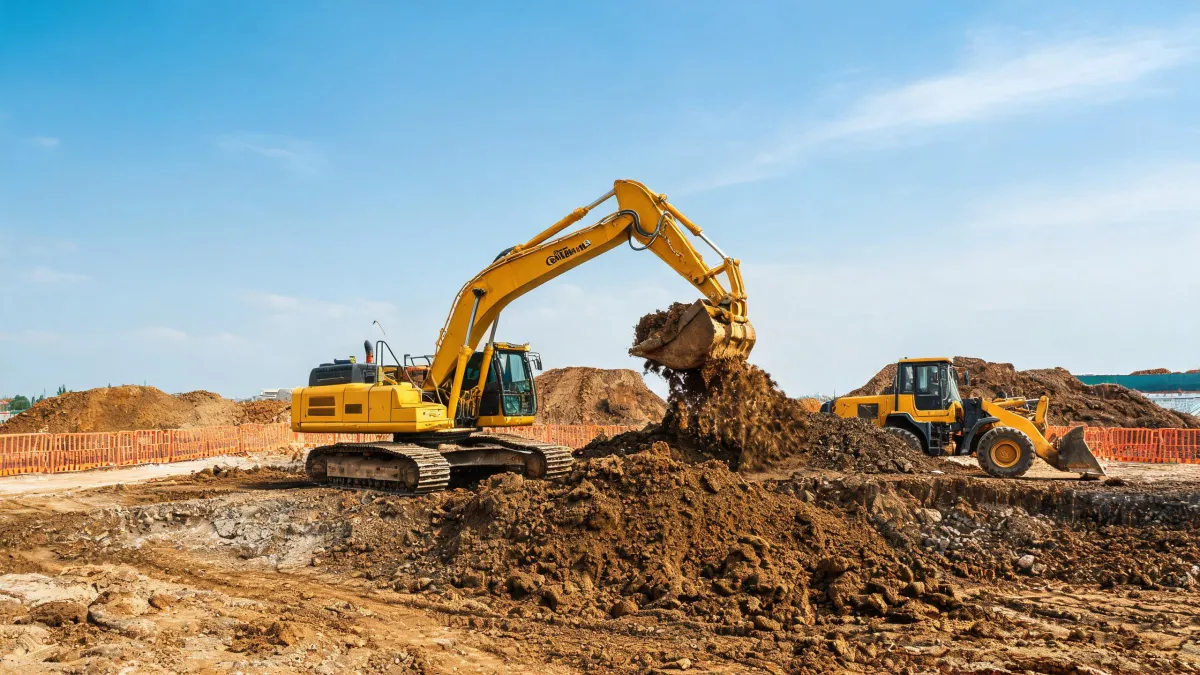
I am an equipment buyer, not an operator. Since 2020 I have been the person who turns a site manager's request for a machine into a purchase order that finance will approve. That role taught me one lesson: the best machine is the one you can support locally for the full time you own it.
If you are here because you searched for a liugong excavator or a liugong mini excavator price, this guide may help. I do not treat price as a standalone number because it is not. Price is a starting point. The real calculation includes dealer support, attachments, freight, compliance and downtime.
Three Buying Situations to Separate First
No responsible advisor answers should I buy before asking what work the machine will do. The decision changes if you are building a fleet, buying your first compact machine, or choosing between an excavator and a backhoe loader. Most purchases I have reviewed fall into three patterns:
- Pattern one: bulk fleet buying. You need several liugong excavators, or you are setting up a rental department. You may even be buying in bulk with backhoe loaders on the same order to simplify freight.
- Pattern two: one compact machine. You need to dig trenches, run water and sewer lines, or work on residential lots. You want a liugong mini excavator price and a mini excavator distributor who will stand behind the machine.
- Pattern three: mixed digging and loading. You have material to move and trenches to cut. A backhoe loader may be the honest lower-cost answer, and backhoe loader compliance requirements become part of the decision.
Scenario A: Buying in Bulk with Backhoe Loaders and Excavators
Buying one machine is a purchase. Buying several is a supply chain conversation. If you are putting together a bulk order, with backhoe loaders and excavators going to the same jobsite, start with the parts and service question, not the unit discount. A machine that waits two weeks for a hydraulic hose is not cheap, no matter what the invoice says.
Liugong's line covers excavators, wheel loaders, graders and other equipment, which can help if your distributor carries shared filters and consumables. But that only works if the local distributor actually stocks what you need. Ask how many machines the dealer already supports in your area before talking about model options.
For a bulk order, I ask four things:
- Are attachments, quick couplers and hydraulic options installed at the factory or by the dealer? The lower base price is irrelevant if the after-sale installation cost erases the savings.
- Will the warranty cover the machine in your country or state, or do you have to ship it back to the original selling dealer?
- Are the operator manuals and compliance documents complete before the order ships? Missing paperwork on one backhoe loader can delay the whole container.
- What is the lead time on wear parts, filters, hoses and undercarriage parts? It saved us more than any discount when a distributor had common parts in local stock.
Scenario B: One Compact Machine and the Mini Excavator Price Question
The phrase liugong mini excavator price is a common search, but a quote without a configuration is only a ballpark guess. Two dealers can quote the same model and still differ by a meaningful amount because one includes a cab, an extra hydraulic valve or a thumb mount while the other quotes a basic canopy machine with no auxiliary plumbing.
Before requesting a price, write down the machine weight class, standard or long arm, rubber or steel tracks, cab or canopy, auxiliary hydraulics, quick coupler, bucket sizes and delivery point. Then compare quotes against that same list. Otherwise you are comparing apples to oranges and calling it price.
The surprise in my job is not that the lowest quote loses. It is that the lowest quote often loses by a large margin once everything is added. In one comparison I ran, the cheaper machine did not include a dealer-installed hydraulic thumb line. After installation, freight and the missed week, the total was above the next quote. Never expected that when I started in 2020.
If this is your first mini excavator, do not buy the smallest machine that handles today's jobs. Buy one that handles next year's attachments. I understand if that sounds too simple. But after the third time a crew rents a larger machine because the small one ran out of breakout force, the rental bills add up. A slightly larger platform costs more upfront, but it can reduce rental expenses and keep the machine from working at maximum pressure all day.
Finding a Mini Excavator Distributor
A mini excavator distributor does more than sell. An authorized distributor has a service department that knows the current model and can order parts using the machine serial number. If you buy from a general equipment broker because the price is lower, you may also be giving up after-sale information and compliance support.
When I evaluate a distributor, I call their parts line before I buy. If I wait on hold for twenty minutes for a filter, that tells me about future support. If they answer quickly and ask for the machine model and serial number, that distributor moves up my list.
Scenario C: When a Backhoe Loader Deserves the Budget
A backhoe loader is not a mini excavator with a loader on the front. It is a different tool. The backhoe's digging arm is less nimble in small spaces, but the unit can move itself, load trucks and carry material. For water line repairs, municipal maintenance, road patches and smaller commercial sites, one backhoe can do work that otherwise needs an excavator plus a wheel loader.
I have seen contractors try to solve this by adding a thumb to a mini excavator and then still renting a loader. In some cases, the loader rental should have been included in the total cost calculation all along. That is how a higher sticker price can end up as a lower total cost.
Backhoe Loader Compliance Requirements to Get in Writing
I cannot give you legal advice, and the rules vary by country and state. What I can tell you is what an equipment buyer should request before signing:
- Engine emission certification. For non-road diesel machines, look for an emission control label and documentation that matches the machine's serial number. If a unit cannot show that it was certified for your market, the lower price is not worth the rejection risk.
- State or regional restrictions. Some jurisdictions have additional air quality requirements. A machine sold legally in one state may not be accepted in another without extra compliance steps. Ask the distributor specifically whether the machine can be registered and used in your province or state.
- Safety configuration. ROPS, FOPS, seat belts, backup alarms, lights and mirrors are not just checklist details. Some project specs require these to be present and working before a machine is allowed on site.
- Transport dimensions. Backhoe loaders are wider and heavier than mini excavators. Confirm width, height and transport weight, because moving one may require a trailer or truck configuration you do not already own.
If a distributor will not attach compliance documents to the quote, treat that as a red flag. In 2022 I stopped one purchase because the seller said the machine was compliant but could not provide a label photo. It might have been a good machine on its own; the lack of paperwork was too big a risk for our public projects.
For current U.S. federal information, I start with EPA's non-road pages at epa.gov and then check state agency sites. Outside the U.S., the equivalent may be a type approval certificate, local registration or customs declaration. The principle is the same: get the regulatory document or certified declaration before you spend money, not after.
How to Tell Which Scenario Fits You
If you still feel on the fence, answer these questions:
- Do you need to load trucks, carry material and move around larger sites? If yes, include a backhoe loader in your comparison.
- Are most jobs in tight backyards or behind buildings? If yes, stay with a mini excavator and choose the distributor carefully.
- Are you buying more than one machine? If yes, make parts availability, warranty support and compliance documentation the first filters, not the last.
- Can you afford downtime? If no, the machine with local dealer support is probably the right total cost choice.
I did not start my career in equipment, and I have made mistakes by treating the machine price as the only number that mattered. After enough orders and enough lessons, I have learned that total cost of ownership is not corporate jargon. It is survival.
A liugong excavator or backhoe loader can be a good tool. The real success comes from asking the distributor the awkward questions before the order. Put the machine in the environment where it will work, verify the paperwork, and let total cost make the final argument.