Shortcut vs. Proper: 5 Equipment Decisions I Got Wrong as a Small Contractor
-
The test: shortcut vs. proper, side by side
-
1. Company vehicle: used van vs. Hyundai Ioniq 9 lease
-
2. Shop air: a $180 no-name compressor vs. a Milwaukee air compressor
-
3. Jobsite noise: Skullcandy Crusher ANC 2 vs. certified ear protection
-
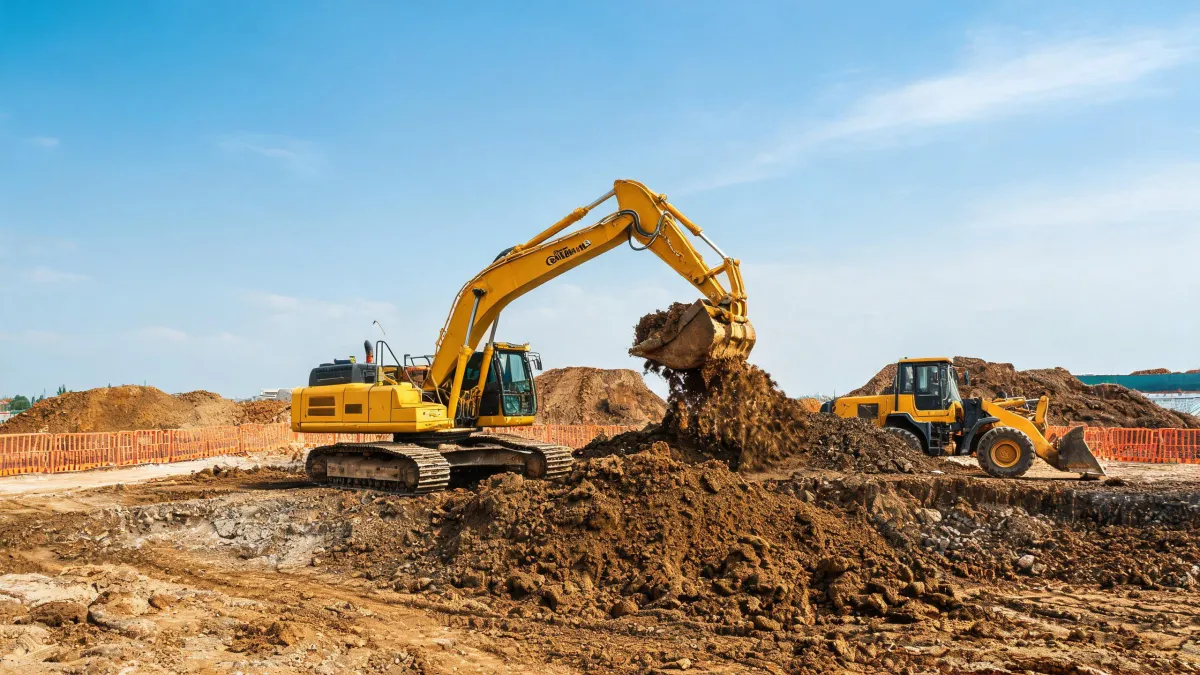
4. Heavy machinery: a budget used excavator vs. Hyundai construction equipment
-
5. The paperwork: "we'll figure it out" vs. how to get a forklift license
-
Where to shortcut, where to invest
The test: shortcut vs. proper, side by side
I've been running equipment and procurement for small contracting crews for about seven years. In that time I've personally made — and logged — nine significant buying mistakes. Rough total: somewhere around $14,000 in wasted budget, plus more lost in downtime I never fully itemized. If I'm being honest, the downtime was the expensive part.
The mistakes almost always followed the same pattern. I picked the option that looked cheaper on the invoice. The invoice was the only place it was cheaper.
So this isn't a product list. It's five side-by-side comparisons: the shortcut I actually took versus the proper option I eventually switched to. Same criteria each time — upfront cost, total cost over twelve months, downtime risk, and whether a small operation gets treated with respect. That last one matters more than people admit.
1. Company vehicle: used van vs. Hyundai Ioniq 9 lease
From the outside, buying a used van for a small crew looks like smart money. In 2021 I paid $4,200 cash for a 2011 cargo van. No payment, no lease, no finance charges. The reality: over the next fourteen months I put $6,800 into repairs, spent maybe $2,100 more on fuel than a newer vehicle would have burned, and lost nine working days to the shop.
Meanwhile, a Hyundai Ioniq 9 lease deal started looking a lot less like a luxury. The monthly is higher than zero, obviously. But the running cost on Hyundai electric cars is the part people underestimate — no oil changes, a fraction of the fuel, and warranty coverage for the whole lease term.
The comparison, straight up:
- Used van: $4,200 upfront, roughly $11,000 total over fourteen months, downtime you can't plan around.
- Hyundai Ioniq 9 lease: higher but predictable monthly, near-zero maintenance surprises, warranty backup.
For a crew driving a hundred-plus miles a day, the lease won on total cost. For a one-person operation doing twenty local miles, the van still wins. That surprised me. I'd always assumed leasing was the expensive choice. It's only the expensive choice when you're not actually using the vehicle enough to offset it.
One more thing, and this is the part I care about: when I called about the lease, I expected to get brushed off as a one-vehicle operation. Didn't happen. Good dealers don't care if you're a fleet of one. Small doesn't mean unimportant — it means potential.
2. Shop air: a $180 no-name compressor vs. a Milwaukee air compressor
What most people don't realize is that a cheap air compressor never fails as a cheap air compressor. It fails as a project deadline.
In spring 2022 I bought a 20-gallon no-name compressor for $180 off an auction site. It ran nail guns fine for about four months. Then the pressure switch died. I called the listing number — disconnected. No parts schematic, no service network, no warranty. I couldn't even find the model number online.
The Milwaukee air compressor I replaced it with ran me roughly $600. I want to say $629, but don't quote me on the exact figure. What I can tell you is the cheap one cost $180, plus $620 in replacement, plus a three-day delay on a deck job. Net loss against just buying right the first time: somewhere in the $400 range.
- No-name compressor: $180 upfront, four months of service, zero support when it quit.
- Milwaukee air compressor: ~$600 upfront, serviceable, parts available, warranty that means something.
Verdict: for occasionally topping off tires, buy the cheap one. For daily nail guns and blow-off work, the cheap one isn't cheap — it just delays the bill.
3. Jobsite noise: Skullcandy Crusher ANC 2 vs. certified ear protection
This is the reverse-intuitive one, and I still feel a little dumb about it.
A guy on my crew started bringing Skullcandy Crusher ANC 2 headphones to the jobsite. Active noise cancelling, big bass, felt like magic. He said it made the saws quieter. And it did — the saws sounded quieter in his ears.
But quieter isn't protected. ANC headphones are not hearing protection. They're not rated, they're not certified, and OSHA does not count them as PPE. Worse, noise cancelling can hand you a false sense of safety while the actual decibels are still doing damage.
- Skullcandy Crusher ANC 2: great for the commute and the office. Not PPE. Doesn't protect hearing on a site.
- Certified NRR-rated ear protection: looks boring, costs less than the headphones, actually works.
The most frustrating part: he felt safer because it sounded safer. That's the trap. If you want headphones, buy the Skullcandy for the truck ride home. If you want protection, buy actual ear protection. They are not the same product.
4. Heavy machinery: a budget used excavator vs. Hyundai construction equipment
Now the big one.
From the outside, a 2015 excavator at a used-equipment auction looks like the deal of the year. In 2023 I was quoted roughly $38,000 for a unit with about 6,000 hours. Compared to new, it felt like a steal.
What most people don't see is the service history you can't verify, the parts that are quietly discontinued, and the fact that when a budget machine goes down mid-job, you eat the delay. I've watched a crew stand around for two days waiting on a hose that had to be custom-fabricated.
We ended up going a different direction and leasing access to Hyundai construction equipment through a dealer instead of owning the used unit. The Hyundai excavator wasn't the cheapest option on paper, and I won't pretend it was. What it was: predictable. Global service network, parts availability, and a machine that didn't surprise us mid-pour.
- Budget used machine: $38,000 upfront, unknown history, parts risk, downtime exposure you can't price.
- Hyundai construction equipment (lease/access): higher cash cost over the term, but service support and reliability you can plan around.
For a crew that runs a machine every single day, reliability is the product. For a crew that runs one four times a year, used still makes sense. This is the dimension where the right answer depends most on utilization.
5. The paperwork: "we'll figure it out" vs. how to get a forklift license
This one cost me the least money and the most stress.
For two years we ran a forklift with zero licensed operators. Nobody asked. We figured nobody would. Then an insurance audit flagged it, and suddenly "we'll figure it out" looked a lot like a real liability.
Here's how to get a forklift license, in the plainest terms: you get trained, you get evaluated, and you get certified through an OSHA-compliant program — classroom plus practical, not a YouTube video and a handshake. It's not expensive. It's just not free.
- "Learn on the job": $0 upfront, open liability, one audit away from a problem.
- Forklift license: a few hundred dollars, documented, insurable, and honestly a better-trained operator at the controls.
For a small crew this is the cheapest "proper option" on the entire list. There's almost no scenario where skipping it wins. (Should mention: requirements vary by country — in the US it's OSHA, but check your local authority.)
Where to shortcut, where to invest
I'm not going to tell you to buy the expensive version of everything. That's not how a small operation survives. Here's how I'd split it now:
One-person operation, occasional work: the used van and the cheap compressor are both defensible. Buy the Skullcandy, but bring real ear protection. The license still matters.
Small crew, daily driving, steady jobs: a Hyundai Ioniq 9 lease and the Milwaukee air compressor start paying back within the year. The forklift license is a no-brainer at any size.
Running machinery most days: Hyundai construction equipment — or a comparable supported brand — beats a cheap used unit on total cost, even when the invoice says otherwise.
The pattern across all five: the shortcut wins on the invoice and loses on the calendar. Small doesn't mean you should get bad service — it means you should be pickier about where you save.