LiuGong Excavators for Sale: Bulk Mini Excavator Compliance and Private-Label Lessons from a Purchasing Admin
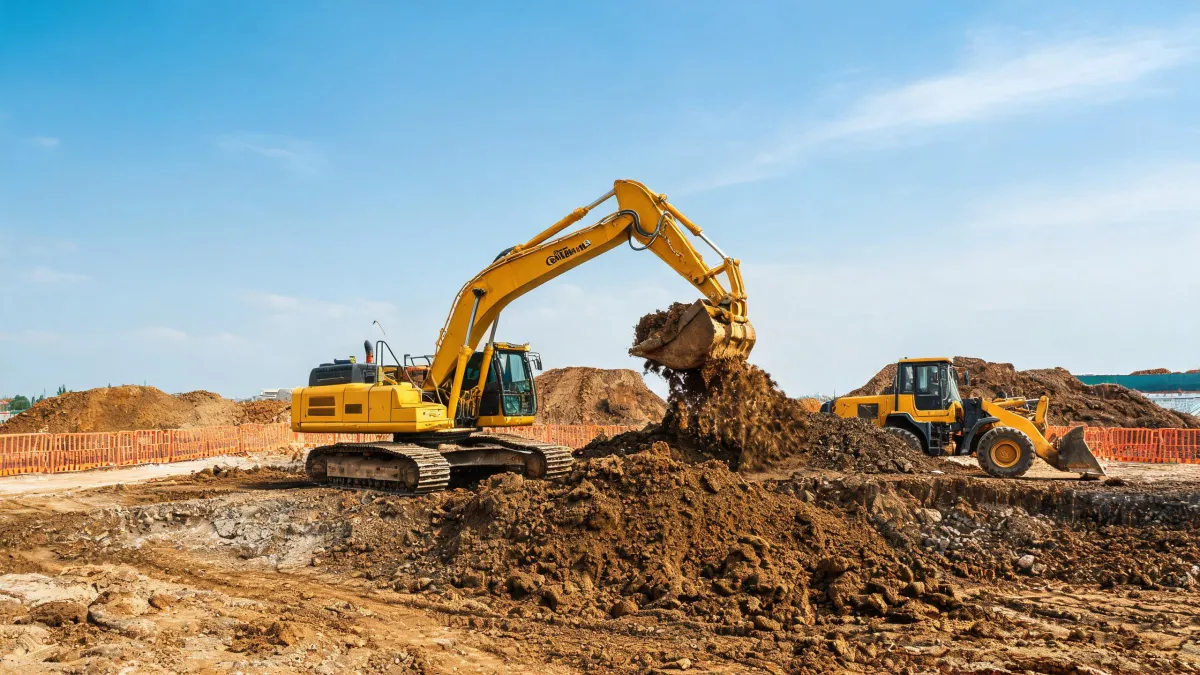
Before you compare bucket sizes, check the compliance paperwork. That’s the lesson I keep coming back to after five years of purchasing equipment for a mid-sized company. I manage roughly 60–80 orders a year across eight vendors, and when I started looking at LiuGong excavators for sale, I nearly approved a bulk mini excavator order that would have failed at the port—because I was focused on unit price, not documentation.
Look, I’m not a heavy-equipment mechanic. I’m an office administrator who has to make sure the right machines show up, the invoices line up with the POs, and finance doesn’t reject anything. If you’re searching for “liugong excavator for sale” and wondering whether a bulk mini excavator deal is worth it, this is what I would check before signing.
Why I’m the one asking these questions
When I took over purchasing in 2020, I assumed the lowest quote was the best choice. Three budget overruns later, I understood why total cost of ownership matters. But the turning point came in 2024, when I was consolidating equipment orders across departments. I had 20 mini excavators in a quote at a price 12% under our usual supplier. I almost sent the PO before asking for the EPA/CARB certificate for the exact model. The supplier said, “We can get that after you place the order.” That’s a red flag. They never produced it.
So glad I asked. Almost went with the lower bid—that would have meant 20 machines sitting in a yard instead of working at a job site. Dodged a bullet, really. It took me about five years of purchasing—or rather, five years in this role and roughly 180 orders total—to understand that documentation is part of the product.
I should add that this wasn’t a LiuGong problem. The brand wasn’t the issue; the supplier’s process was. Any manufacturer can have an underprepared distributor.
Mini excavator compliance requirements are not a marketing slide
Mini excavator compliance requirements aren’t just a regulatory checkbox. In the U.S., the EPA sets national emission standards, and California’s CARB can add its own layer if the equipment will operate there. Depending on the model and engine, you might need a certificate of conformity, an import declaration, and sometimes additional state-level paperwork. The supplier should be able to explain this—not send you a generic brochure.
Why does this matter for a LiuGong purchase? LiuGong is a global manufacturer with a complete product line—excavators, wheel loaders, bulldozers, graders, rollers, forklifts, backhoe loaders, and parts. That broad lineup is one reason B2B buyers look at them for fleet purchases. But a brand’s reputation doesn’t replace model-specific certificates. You need documents that match the serial number of the machine, not just the logo on the side.
Here’s the checklist I use for any bulk mini excavator or full-size unit:
- Model-specific EPA/CARB certificates (or your market’s equivalent, such as CE marking in the EU)
- ROPS/FOPS documentation, if applicable
- VIN or serial number photos and documentation
- Customs classification (HS code) and shipping terms
- State or local registration requirements—some states treat compact equipment differently
I’m not a lawyer, and this isn’t legal advice. But every credible supplier should be able to produce these documents or identify who can. If they can’t, treat the quote as incomplete.
A note on “pc excavator private label” searches
The phrase “pc excavator private label” is a little odd, so let me unpack it. In B2B procurement, it usually means private-label excavators—machines built by a manufacturer and sold under your own brand. It’s common in the compact equipment segment, especially with mini excavators.
Private label can work well if you already have customers and a service network. But it changes the compliance conversation. If your company’s name goes on the machine, the paperwork should support your brand, your distribution agreement, and your market. I once assumed “same specifications” meant the same certifications across vendors. It didn’t. Each vendor interpreted “compliant” differently.
“Same specifications” is not the same as “same certifications.”
Also, if you advertise any environmental benefit, keep FTC advertising guidelines in mind. Per FTC guidelines (ftc.gov/business-guidance/advertising-marketing), environmental claims must be truthful and substantiated. “Emission compliant” means something specific only if the certificate says so.
How I evaluate a LiuGong excavator for sale in bulk
When I search “liugong excavator for sale” or “bulk mini excavator,” I’m not just looking at price per unit. I’m looking for a package that both operations and finance can approve.
- Complete product line: Can the same supplier cover multiple machine types? Fewer vendors means simpler coordination.
- Parts and aftermarket support: I want to know parts availability before committing.
- Lead times and payment terms: Bulk orders are different from single-machine purchases. Payment terms need to match your cash flow.
- Warranty process: Who do I call when something breaks?
LiuGong’s wholesale and distribution model is built around dealer networks, which is why the brand keeps showing up in B2B searches. But I don’t rely on that alone. I ask for the local dealer or distributor contact and talk to them directly. If a distributor can’t answer a simple question about parts, that tells me more than any brochure.
For our company, the promise of a complete line matters because our operations team uses excavators, wheel loaders, and graders. Buying them from one manufacturer means fewer parts catalogs, fewer service contacts, and simpler warranty coordination. But that only works if the distributor is actually able to support all those lines.
When this checklist doesn’t apply
If you’re buying one excavator for a single job, the compliance process is still important, but it’s simpler. You probably don’t need private-label arrangements or fleet-level support. And if you’re outside the U.S., swap EPA/CARB for your local authority—EU CE marking, China’s GB standards, or other national emissions rules. This is my checklist, not your local legal review.
One more thing worth saying: I’m not telling you to avoid suppliers who are still gathering paperwork. I’m saying don’t sign a bulk order without seeing proof. The deal isn’t real until the documentation is real.
An informed customer asks better questions and makes faster decisions. That’s why I talk about the boring parts. The machine is the exciting part; the paperwork is the part that protects you.