Six Excavators, 72 Hours: What a Rush Order Taught Me About Sourcing Small Excavators
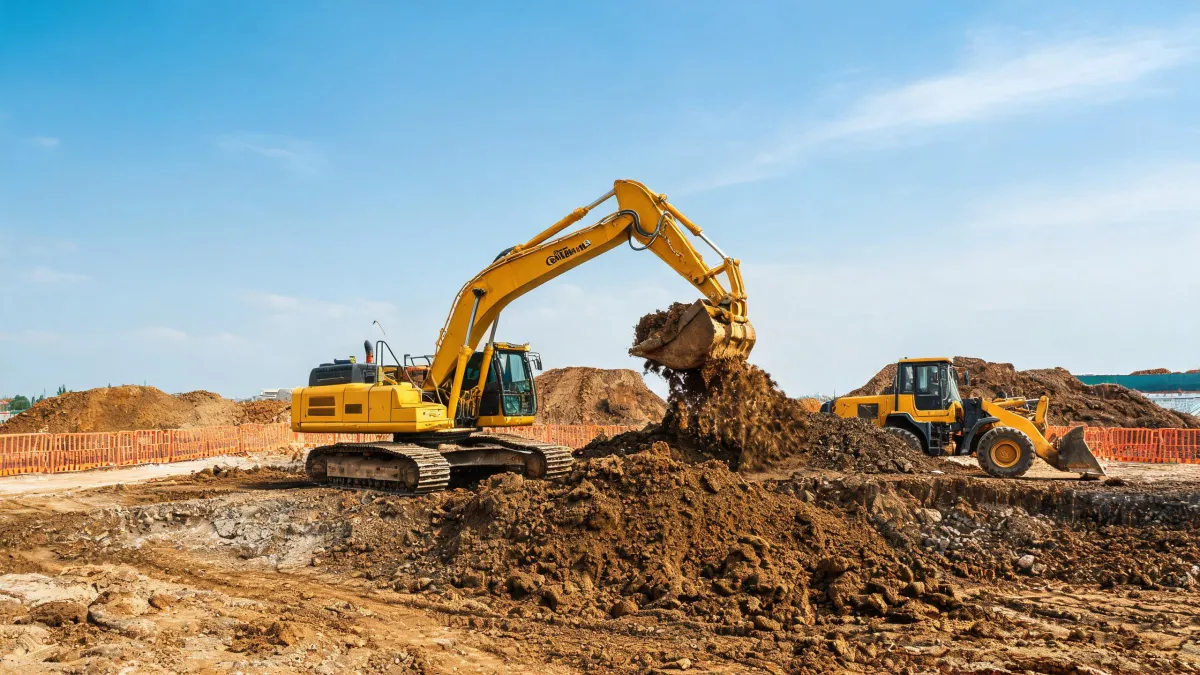
Tuesday, 6:45 AM — The Call
The phone rang before I'd poured my first coffee. On the other end was a site foreman I'd worked with twice before, and his voice told me everything I needed to know before he said a word.
"I need six units on-site by Friday."
Six units. Small class. Four with hydraulic breakers, two standard buckets. Three days, including trucking.
For context: our normal inbound lead time on small excavators runs 10 to 14 working days, and that's assuming the attachments happen to sit in the same warehouse. This was not a normal ask. This was a "our original supplier just bailed and the project clock is already running" ask.
I've been coordinating equipment logistics for construction dealers for eight years now. I've handled maybe 300 rush orders. Maybe 250 — I'd have to check the log. But I know the shape of this conversation, and the shape is always the same: somebody upstream over-promised, and now the machine has to make up the difference.
Why He Called Us (And Not the Cheaper Option)
Here's the part that mattered. He'd already tried the obvious move — the lowest quote he could find, from a broker advertising "factory-direct pricing" and promising 5-day delivery. That machine never showed. Not because of shipping. Because the unit "wasn't in inventory," which is a polite way of saying it never existed.
So he called us. And this is the moment most content skips past: the gap between the cheapest small excavator distributor and the one that actually delivers isn't always obvious. Sometimes it's small. Sometimes it's enormous. But the pitch almost always sounds the same.
Red flag number one: "guaranteed delivery" with no tracking number and no named logistics partner. If your supplier can't tell you which trucking company is moving the unit, they don't know where it is.
Red flag number two: quotes 20–30% below market with no explanation. On machines from a China excavator manufacturer, there's real price competition — that's healthy. But when a quote undercuts everyone else by a third, somebody's eating that somewhere, and it's usually the buyer on the back end.
What We Put Together
We had three of the six units ready in the yard. Two more were at a partner depot 400 miles away, and one was scheduled for a dealer that had called in a cancellation that morning — if we moved fast.
I sketched a plan: three from our yard, two from the partner depot shipped overnight, one redirected from the cancellation. All from the Liugong excavator line, which mattered for one reason — parts. If something went wrong mid-project, the foreman could pull a hydraulic pump, final drive, or control valve from the same Liugong dealer network, not from a mystery marketplace listing with a 6-week shipping window.
I'll be honest about rush premiums: I have mixed feelings. On one hand, they feel like gouging — three days isn't three times the work. On the other hand, I've watched what a rushed order does inside a shop: re-sequenced deliveries, overtime for the loading crew, another customer's relationship deprioritized to make room. Maybe the premium is justified. Maybe it's just what the market charges. I don't have a clean answer, and I'm suspicious of anyone who does.
Wednesday Afternoon — The Problem
One of the units from the partner depot arrived at our yard and I ran my normal inspection. Everything looked fine until I checked the hydraulic couplings on the breaker setup.
They were metric. The breakers we'd staged were SAE-configured. Nine times out of ten that doesn't matter. The tenth time, it matters a lot — and we were staring at the tenth time.
I've made this mistake before. In my first year doing this, I made the classic spec error: I assumed "standard" meant the same thing to every vendor. It cost me a $600 fitting order that turned into a $2,400 overnight freight bill and a very unhappy customer. That one stung. It's also why I now check couplings on every unit that comes out of a partner yard — including the ones with "identical" specs on paper.
We had about 18 hours before loading had to start.
Thursday, 2:00 AM — Solving It
The fix itself wasn't complicated. We had the right adapters in stock — they'd come in two weeks earlier as part of a mixed shipment. What was complicated was the decision: send the unit as-is with adapters included and hope the on-site crew would install them correctly, or swap in a different unit from our own yard and eat the cost of the misplaced one.
We sent adapters — but we also sent a tech with the truck. That's the part of the story I'm proudest of. Not the logistics, but the decision not to save $400 by assuming the customer's crew could figure it out on their own. If you've ever had a machine land on-site with a "minor" configuration issue, you know that sinking feeling when you realize the delivery window is closing and the fix is on you.
Friday, 8:40 AM — Delivery
All six units on site at 8:40 AM. The project kicked off at 10. About 80 minutes of margin.
The foreman sent a photo later that day of the excavators lined up at the trench line. He didn't send a thank-you note, which is normal — construction guys don't do thank-you notes. But he did call two weeks later to order two more units, this time on a normal schedule.
A Small Excavator Distributor Buying Guide (The Short Version)
Three lessons, and they're not the ones I expected going into that week.
1. The lowest quote isn't the cheapest order — but neither is the highest. I won't tell you "you get what you pay for" and call it wisdom. Sometimes you pay too much for nothing. But when the numbers look too good, ask the supplier to name their logistics partner, their parts network, and their last factory audit date. If any of those answers get vague, that's your answer.
2. "Standard" isn't universal. Standard hydraulic couplings, standard bucket sizes, standard control layouts — these vary by manufacturer and even by market destination. If you're sourcing internationally, get the spec sheet in writing, with part numbers, and compare line by line. My rookie mistake eight years ago followed me straight into last week.
3. The real value of a supplier shows up when something goes wrong. Anyone can deliver on a good day. The supplier you want answers the phone at 2 AM when a coupling doesn't fit and the truck is already loaded.
On the wheel excavator distributor question specifically — if you're comparing wheeled vs. tracked options for urban or roadwork jobs, the same rule applies. Ask what happens if a wheel motor or steering cylinder fails mid-project. Ask who stocks it, in which country, with what lead time. Those answers separate the real distributors from the resellers.
Bottom line: the rush order worked out. It worked out because we had three parallel options, a parts network that actually exists, and a habit of double-checking specs that came from screwing it up early in my career. If I'd been running on one option and a discount quote, that foreman would've been calling somebody else two weeks later — and I'd be writing a very different piece.