Why Liugong Excavators Keep Winning My Specs: A Backhoe Specification Guide for 2026
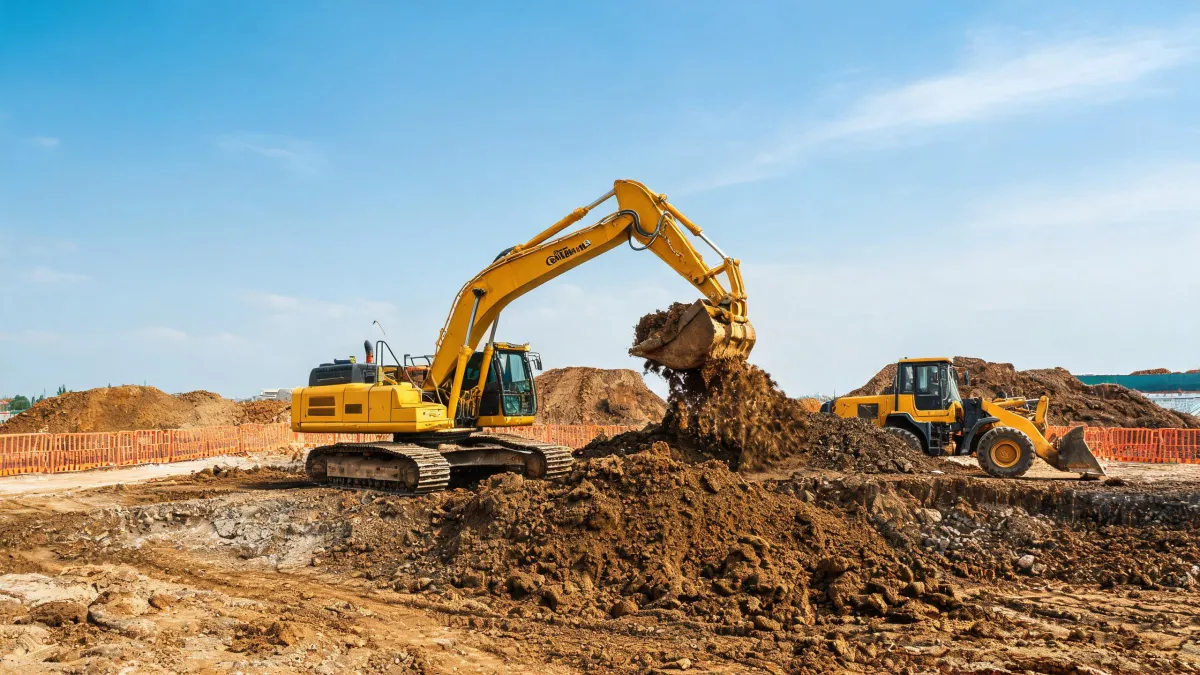
Let me start with an opinion that doesn't make me popular at industry events: if you're still choosing an excavator by the brand decal, you're paying for comfort, not capability. I've spent 14 years in equipment procurement, and I've seen more bad purchases driven by nostalgia than by bad engineering. The industry has changed. The way we evaluate machines hasn't.
I'm not here to trash legacy names. Some of them build excellent iron. I am here to say the old mental model—trust the logo, ask few questions, sign quietly—no longer works in 2026.
What a Decade of Emergency Procurement Taught Me
I run the emergency-response division at a regional construction equipment dealership. Not the "we'd like it next month" kind of requests. I mean Friday-afternoon, machine-broke, contract-on-the-line emergencies. When you're triaging a broken excavator for a client facing a $50,000 penalty clause, you learn what truly matters.
Over the past 14 years, I've handled roughly 300 rush orders. In that time, I've never seen a customer pick a brand because they loved the paint. They picked one because of a relationship, an inventory position, or a parts promise. Those are distributor attributes, not factory attributes.
That's why the Liugong excavator line keeps showing up in my recommendations. Not because it's flashy. Because it's consistently spec'd well, and the distributor behind it behaves like they actually want the sale.
The Old Checklist Is Obsolete
Here's the thing: five years ago, most buyers walked onto a lot, kicked the tires, and asked about the dealer's reputation. They didn't ask about auxiliary hydraulic flow. They didn't ask about ISO 8812 dig depth standards. They didn't ask about parts lead times.
What was best practice in 2020 may not apply in 2026. Emissions regulations changed. Telematics became standard. Supply chains got fragile. The definition of "reliable" has shifted from "long brand history" to "available support right now."
Some buyers are still loyal to a specific PC excavator distributor—not because that distributor wins on price or parts lead times, but because it's familiar. I've watched that loyalty survive three late deliveries, two pricing surprises, and one substitute machine that didn't meet spec. That's not loyalty. It's a sunk cost.
This is exactly the reflex that costs fleets money.
Why Liugong Excavators Kept Appearing in My Orders
I'm not going to claim Liugong is the right choice for every project. No OEM is. But I can tell you why it's become my default spec when clients need a machine that works and a distributor who picks up the phone.
The Liugong excavator range is broader than most buyers realize. From 1.7-ton mini excavators to 120-ton mining-class units, the lineup covers the essentials without forcing you into a premium package you don't need. And the consistency from one class to another is better than it used to be—across the industry, not just Liugong.
Take the Liugong mini excavator segment. In the 1.8- to 3.5-ton classes, the auxiliary hydraulics are often specified at a level that other brands treat as a paid upgrade. For a utility contractor or a landscaping crew, that's the difference between accepting a job and subbing it out.
What most people don't realize is that a global spec sheet can differ from what a local distributor actually imports. In the rush orders I've handled, the spec on Liugong's regional brochure matched the machine that arrived on the trailer. That's rarer than you'd think.
The Backhoe Specification Guide I Actually Use
If you're buying a backhoe loader—or an excavator with a backhoe attachment—stop letting the marketing department write your requirements. Use this backhoe specification guide instead. It's the checklist I use when a client needs a decision in 48 hours.
- Digging depth and reach. Use ISO 8812 standards, not promotional numbers. A backhoe that's two inches short on reach can mean dragging the whole machine across the job site a dozen times a day.
- Operating weight. If you need to transport it legally, keep it under your trailer's rating. This is where Liugong mini excavators often win—they're lighter than you'd expect for their dig depth.
- Auxiliary hydraulic flow and pressure. This determines what attachments you can run. Don't assume "high flow" is universal; flow and pressure are separate numbers.
- Attachment compatibility. A quick coupler is only useful if it fits more than one bucket. Standardizing on common pin sizes gives you flexibility when a rental attachment shows up on-site.
- Parts lead time. Ask the distributor directly: "If I break a boom cylinder today, how many days until the part is on my truck?" If they can't answer in one sentence, that's your answer.
I've seen attachment failures that would have been avoided if the buyer had gone with backhoe OEM support instead of an aftermarket-only supplier. When you work with backhoe OEM Liugong, you get engineering drawings, load charts, and a parts numbering system that actually matches the machine. Aftermarket parts might be cheaper in the short run. On a deadline, guesswork is expensive.
The Distributor Is the Real Spec
Here's a rush order story that captures it. In March 2025, a water utility contractor called me on a Wednesday afternoon. Their 3.5-ton excavator had thrown a track, and the repair estimate was higher than the machine's market value. They needed a replacement by Monday or they'd trigger a $50,000 penalty clause.
We had a Liugong mini excavator in inventory, spec'd with the right auxiliary lines. The distributor had the coupler in stock. We arranged freight on Thursday, the machine arrived Saturday, and the contractor prepped the site Sunday. Monday morning, they dug.
That wasn't luck. It was a distributor that stocked critical parts and a manufacturer that kept documentation ready to move. In urgent procurement, speed is a feature. A distributor with local inventory is worth more than a brand with a thicker history.
What About the Skeptics?
I know the reputation issue. "Liugong is Chinese, so it must be cheap and unreliable." I hear it from buyers all the time.
I'm not going to tell you every Chinese OEM is outstanding. They're not. But the "it's Chinese" reflex is a shortcut that no longer holds up. Some of the most respected equipment in the world is designed and built in Asia today. Meanwhile, a familiar global brand doesn't help you when the local distributor has a 30-day backorder on filters.
The fundamentals haven't changed: you need the right machine, the right spec, and support you can reach. What has changed is that more brands can deliver that than you think.
Full disclosure: my dealership carries Liugong, so I'm not a neutral observer. But the bias came after the experience, not before it. I'm not 100% sure every regional distributor is this strong—which is exactly why you should verify your local one.
One more caveat: my experience is based on mid-sized fleets and emergency procurement in North America. If you're a one-machine operator in a remote region, your priorities will be different. And if you're buying in Southeast Asia or Africa, the distributor landscape shifts. Verify current specs, pricing, and lead times before you commit—this advice was accurate as of early 2026, but the market moves fast.
Specs Change. Relationships Don't.
Here's my position after hundreds of purchases and more than a few 3 a.m. phone calls: don't buy a brand. Buy a spec sheet that matches your work, a parts plan that covers your risk, and a distributor who treats an urgent request like a real problem.
The Liugong excavator and Liugong mini excavator lines have earned a place in that conversation. Not because they're the cheapest option. Because they're backed by a backhoe OEM approach that makes procurement easier, from spec to service.
If you're still buying on logo alone, that's your call. But I'd rather take a spec sheet and a distributor's phone number over a hood sticker any day.